
Keep Your Home Safe From Ant & Termite Damage
Mollis pretium lorem primis senectus habitasse lectus donec ultricies tortor fusce morbi volutpat risus curae malesuada lacus convallis.
View Services Contact Us

Ant & Termite Prevention Process
- Inspection: Regularly check walls, wood, floors, and outdoor areas for signs of ants or termites.
- Moisture Control: Fix leaking pipes and remove standing water to reduce pest attraction.
- Seal Entry Points: Close cracks, gaps, and openings around doors, windows, and foundations.
- Remove Food Sources: Keep food sealed, clean crumbs, and dispose of garbage properly.
- Protect Wood: Store firewood away from the house and keep wooden structures dry.
- Use Preventive Treatments: Apply safe pest control solutions and schedule routine inspections.
Featured On


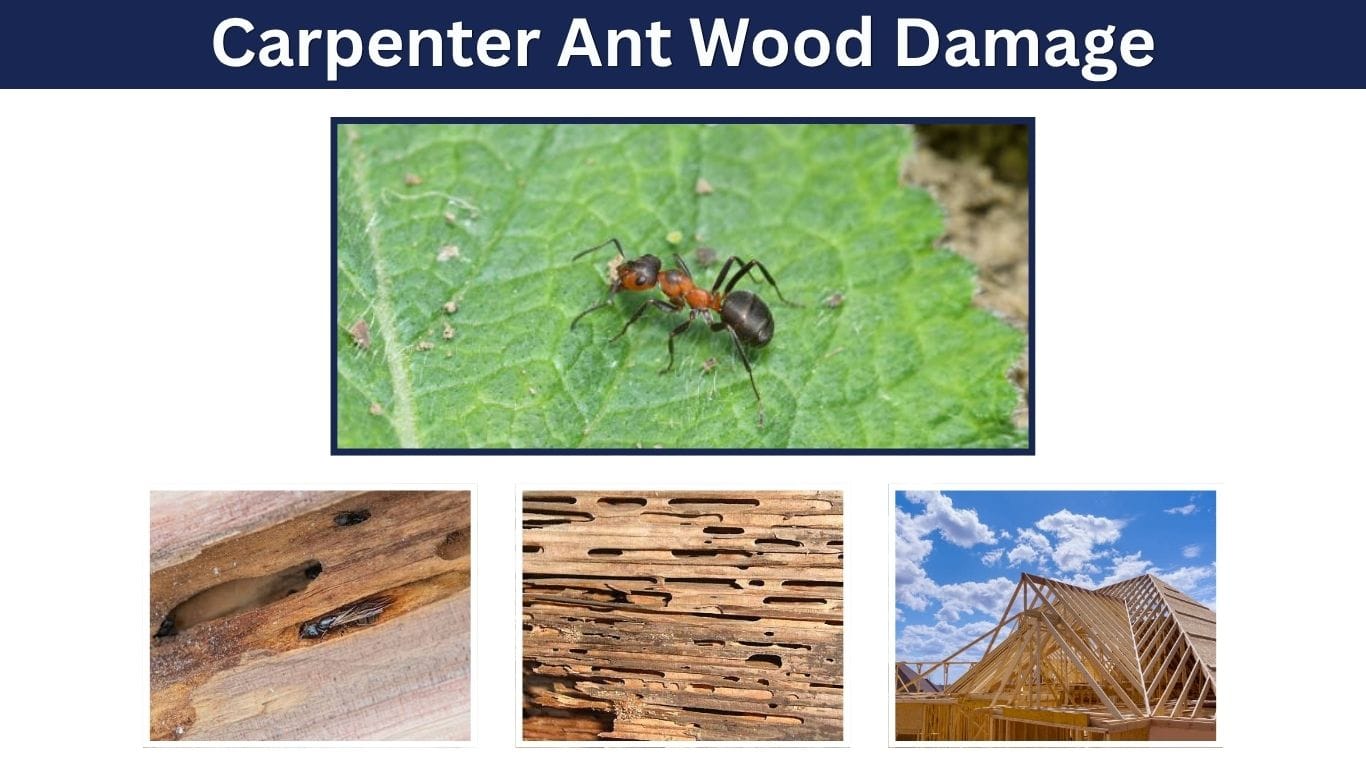
Carpenter Ant Wood Damage: Signs, Frass and Repair
September 4, 2026
Carpenter ants can cause significant wood damage when a colony establishes itself inside a home. Unlike termites, carpenter ants do not eat wood. Instead, they
Read more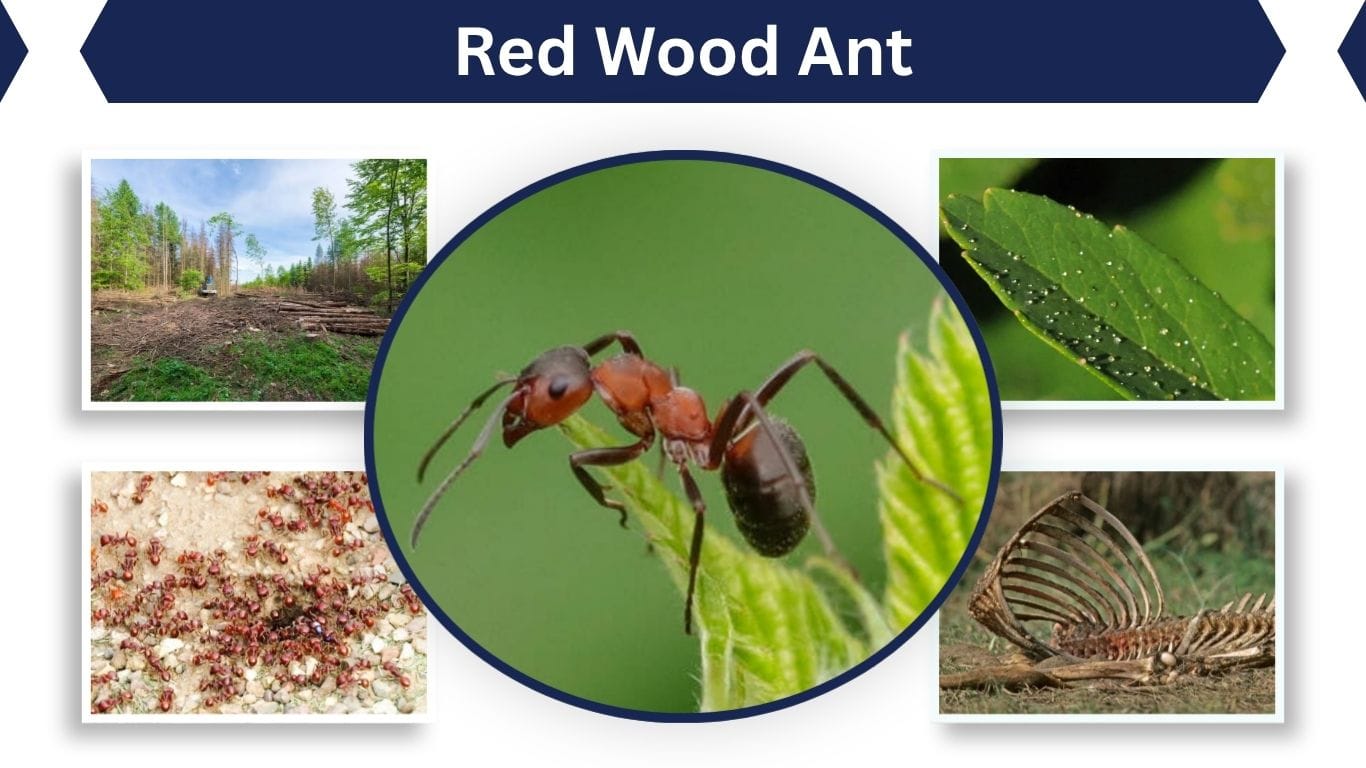
Red Wood Ant: Facts, Bite, Nest, Diet and Identification
September 4, 2026
The red wood ant is a large, highly social forest ant best known for building impressive mound-shaped nests from twigs, pine needles, leaves, and other
Read more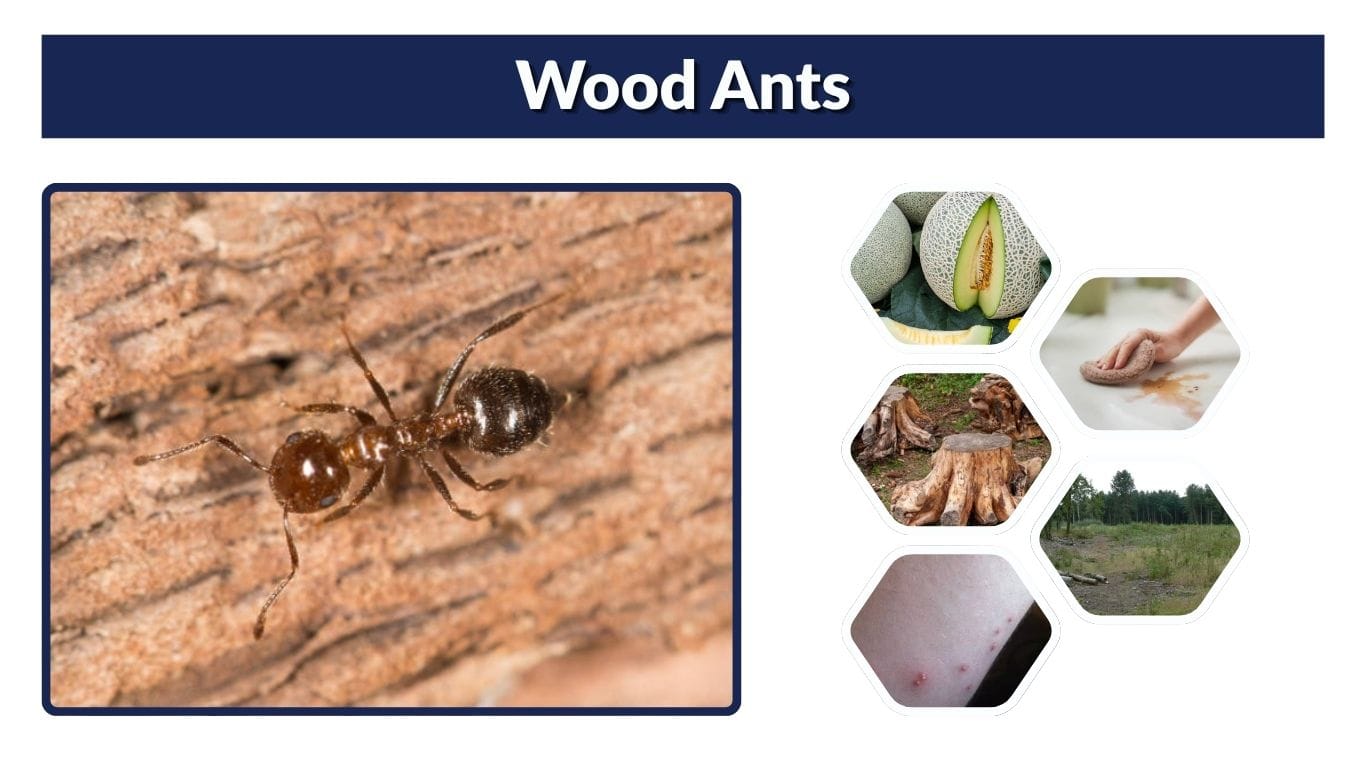
Wood Ants: Identification, Bites, Nests & How to Get Rid of Them
September 2, 2026
Wood ants are large, active ants commonly associated with forests, trees, logs, and other wooded habitats. The name usually refers to several Formica species, particularly
Read more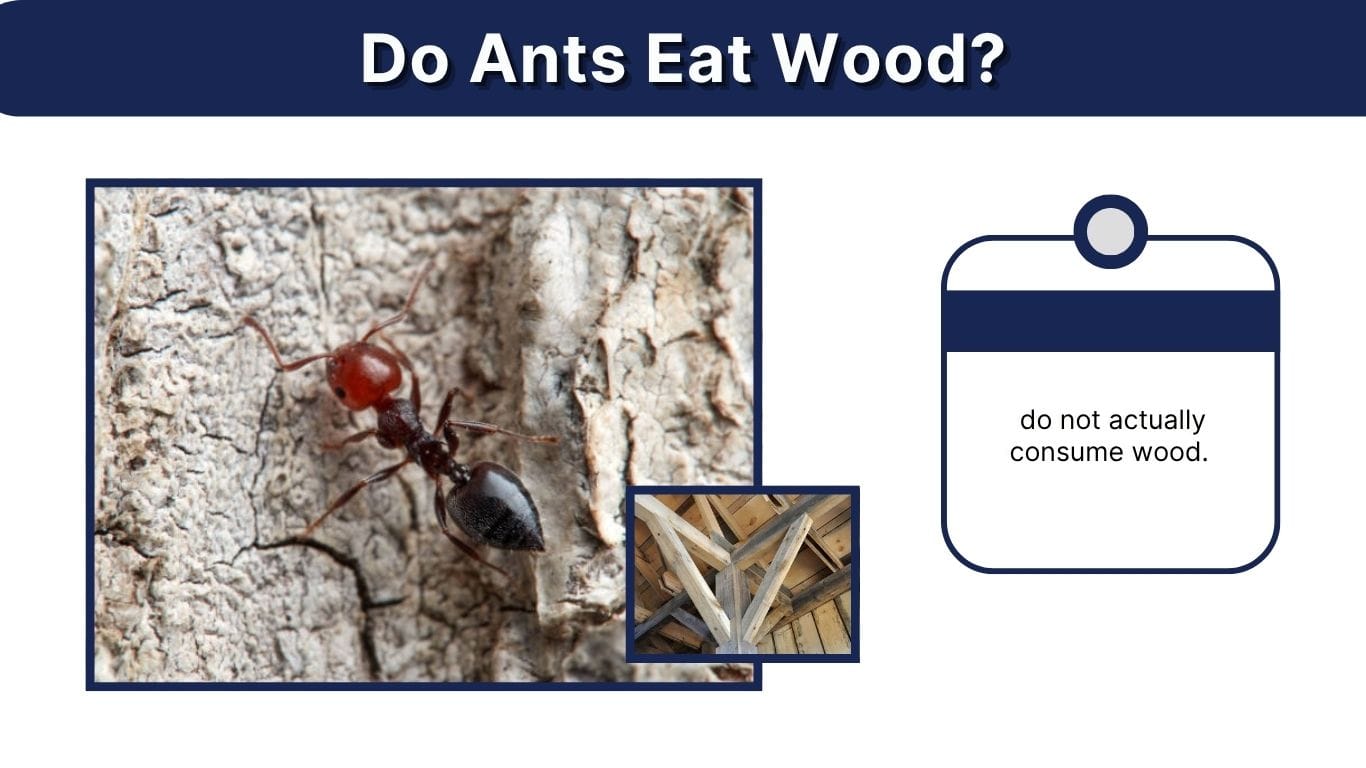
Do Ants Eat Wood? Wood Ants, Carpenter Ants & Damage
September 2, 2026
Finding ants crawling from a wooden floor, deck, wall, or beam can make it look as if they are eating the wood. However, most ants
Read more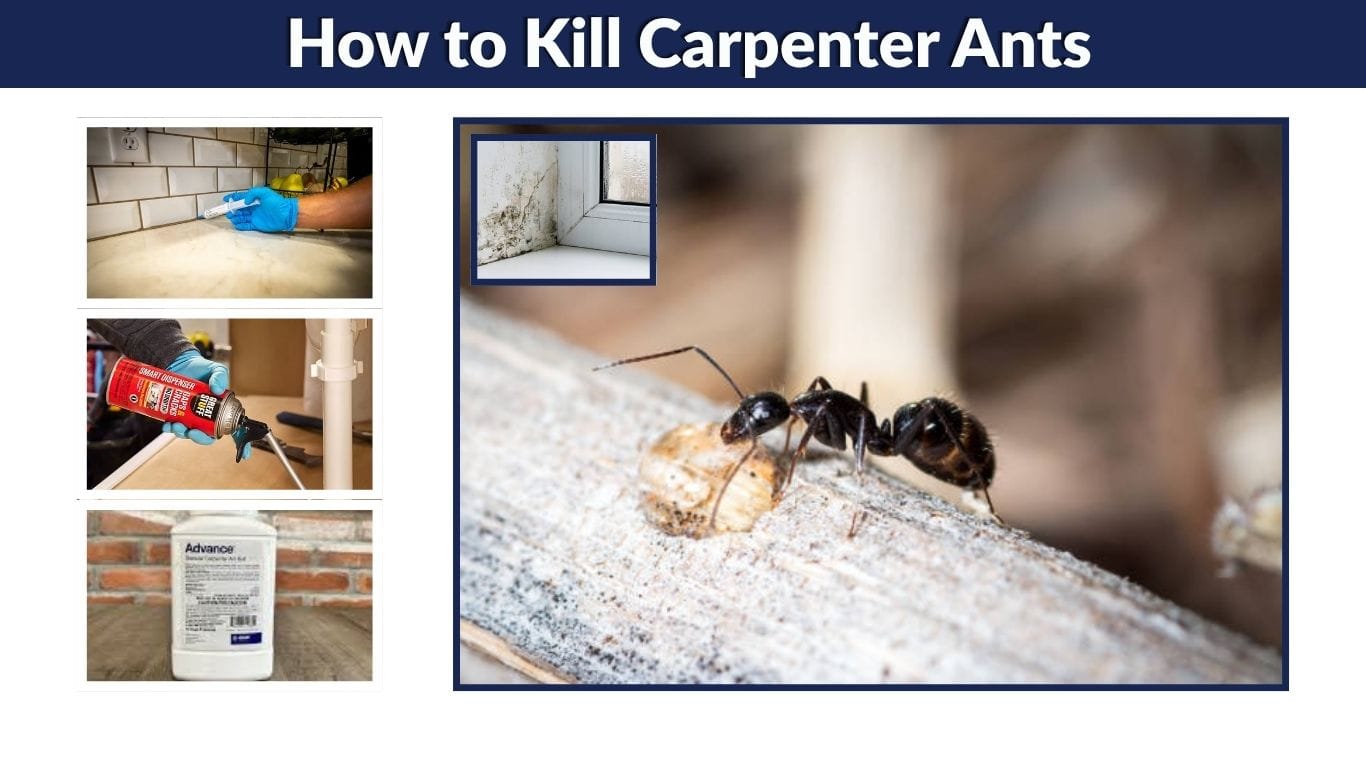
How to Kill Carpenter Ants and Eliminate the Colony
September 1, 2026
Carpenter ants can become a serious household problem when they establish nests inside walls, damaged wood, trees, or other hidden spaces. Killing a few visible
Read more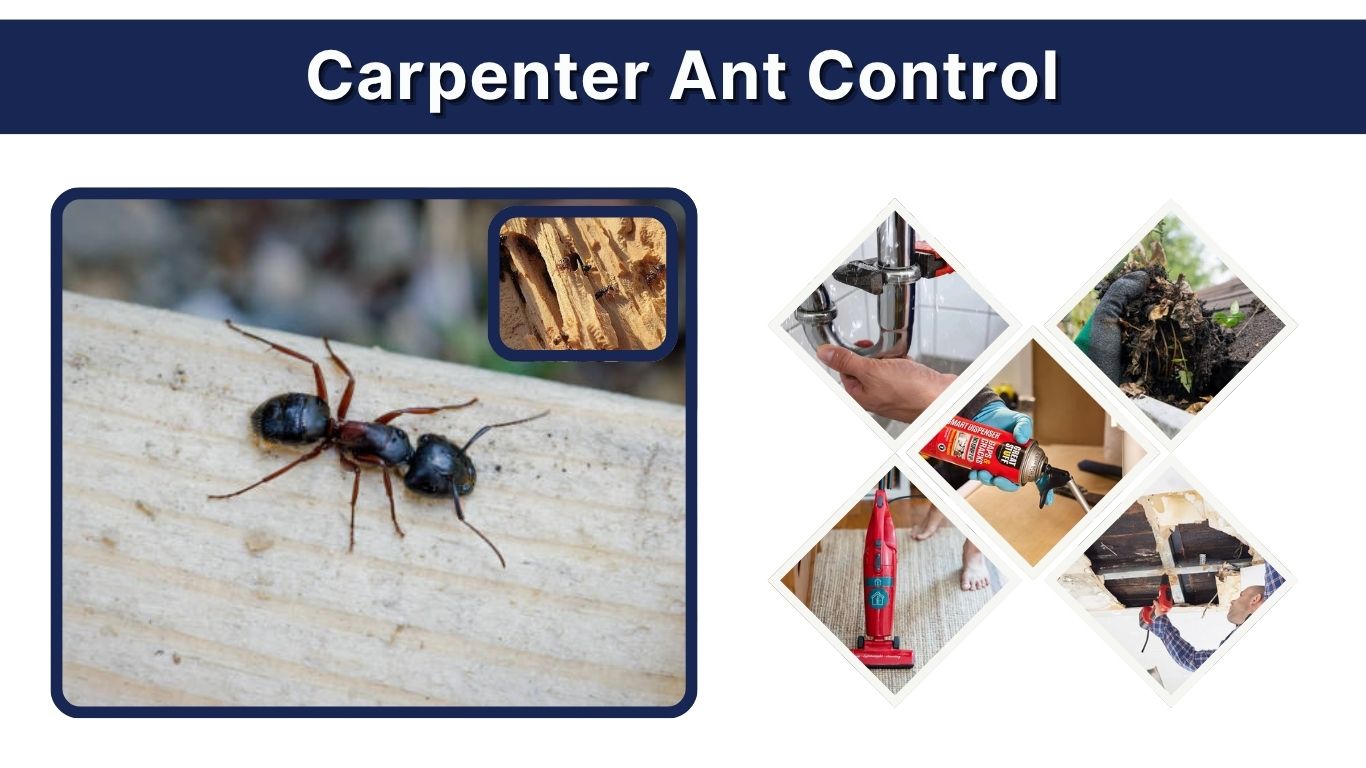
Carpenter Ant Control: Best Ways to Get Rid of Them
September 1, 2026
Carpenter ant control requires more than killing the ants you see crawling through your home. These large ants often build nests inside damp, damaged, or
Read more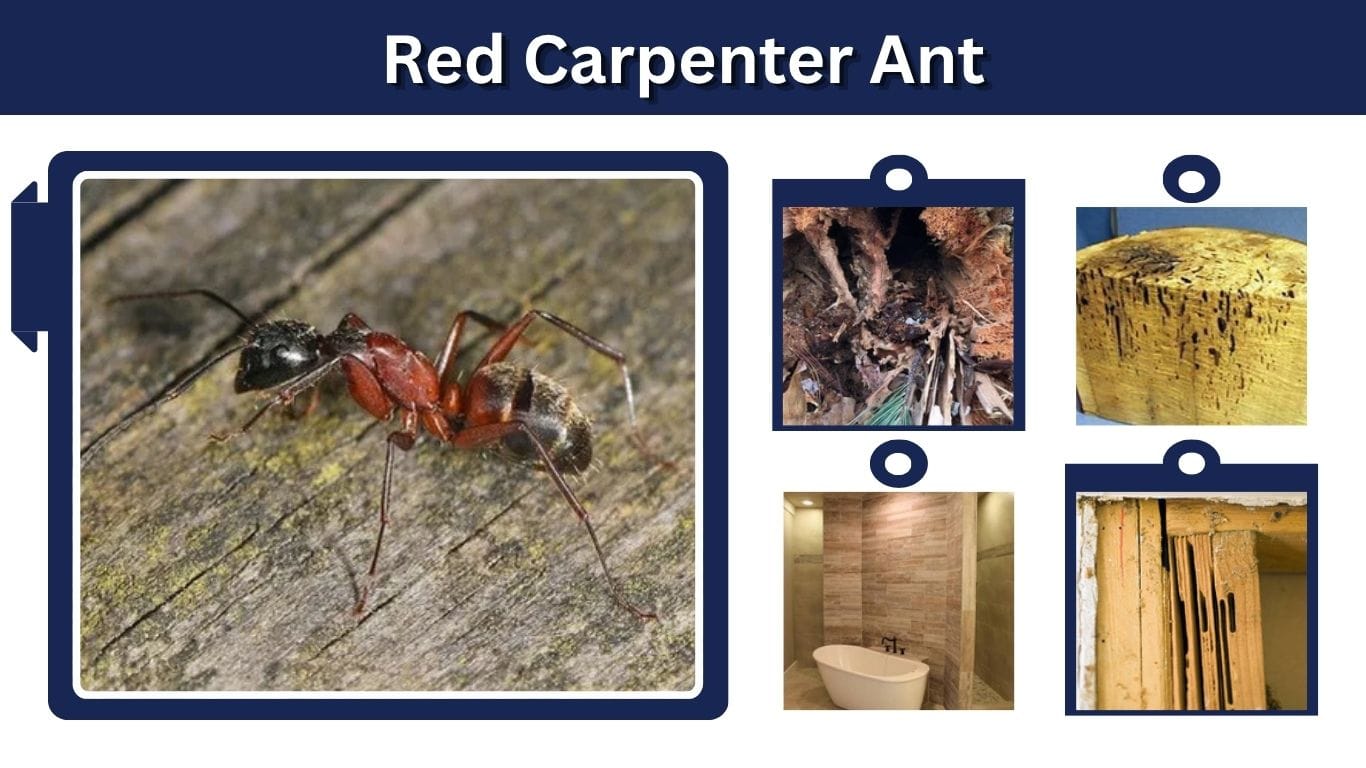
Red Carpenter Ant: Identification, Bite, Queen & Control
August 31, 2026
Red carpenter ants are large ants known for their reddish-and-black coloration and their habit of excavating galleries inside damaged or decaying wood. In eastern North
Read more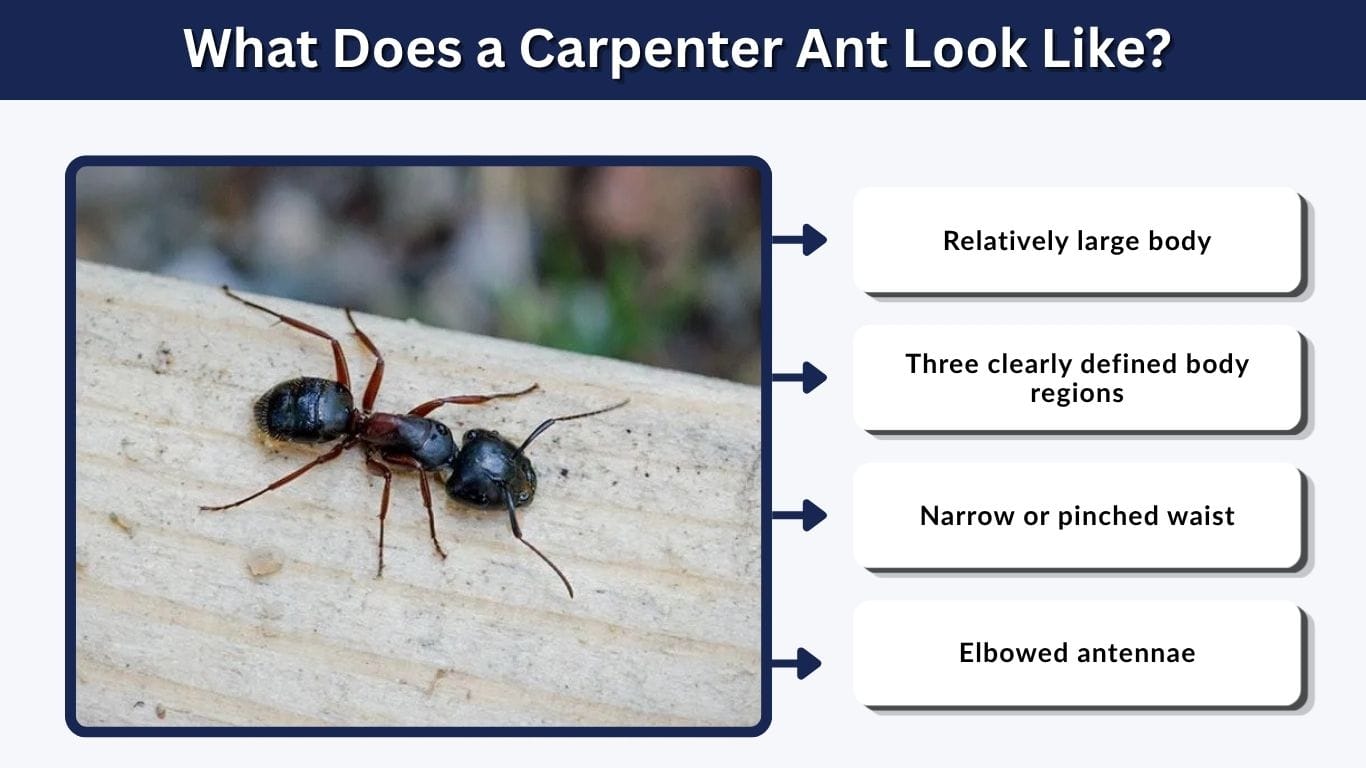
What Does a Carpenter Ant Look Like? Identification Guide
August 31, 2026
Carpenter ants are among the largest ants commonly found around homes. They can be black, reddish-brown, red and black, or occasionally lighter depending on the
Read more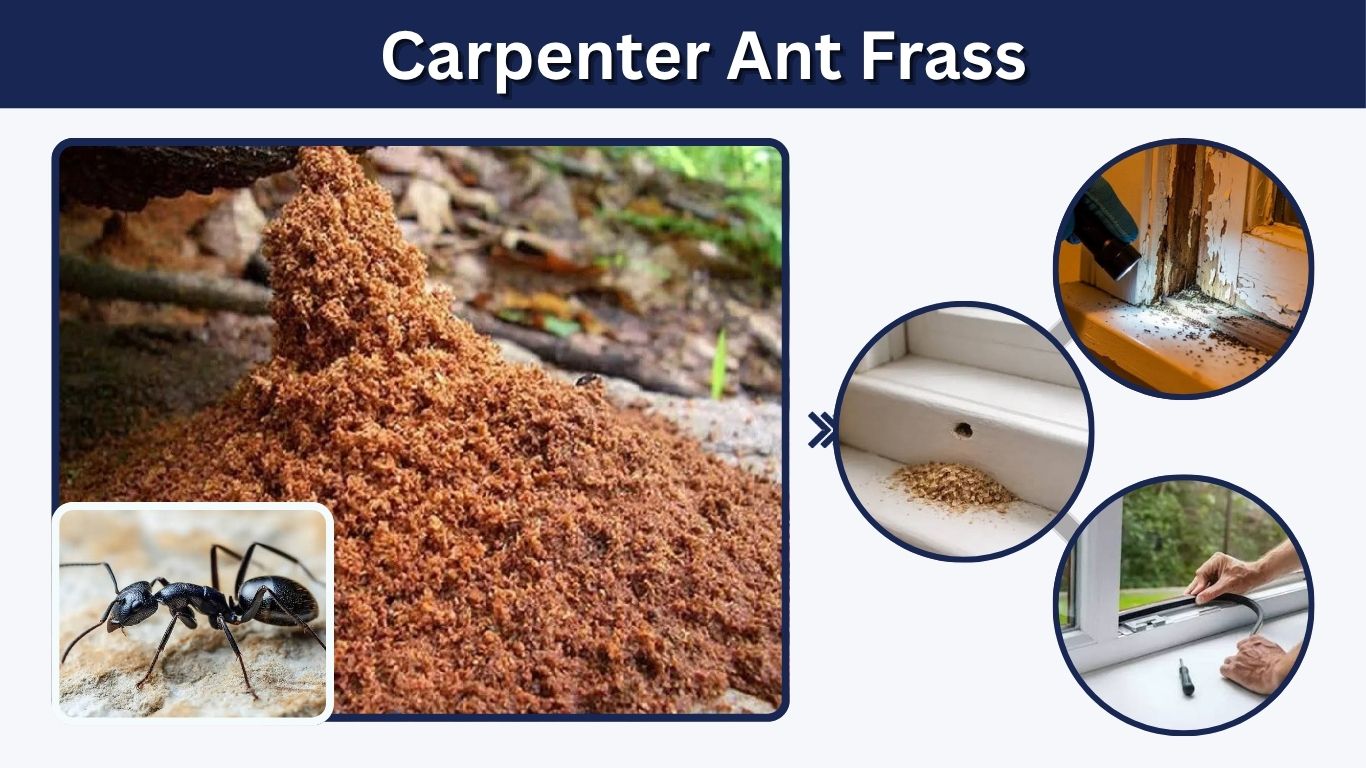
Carpenter Ant Frass: Identification, Signs and Termite Differences
August 29, 2026
Carpenter ant frass is one of the clearest warning signs that carpenter ants may be excavating wood somewhere inside or around your home. It often
Read more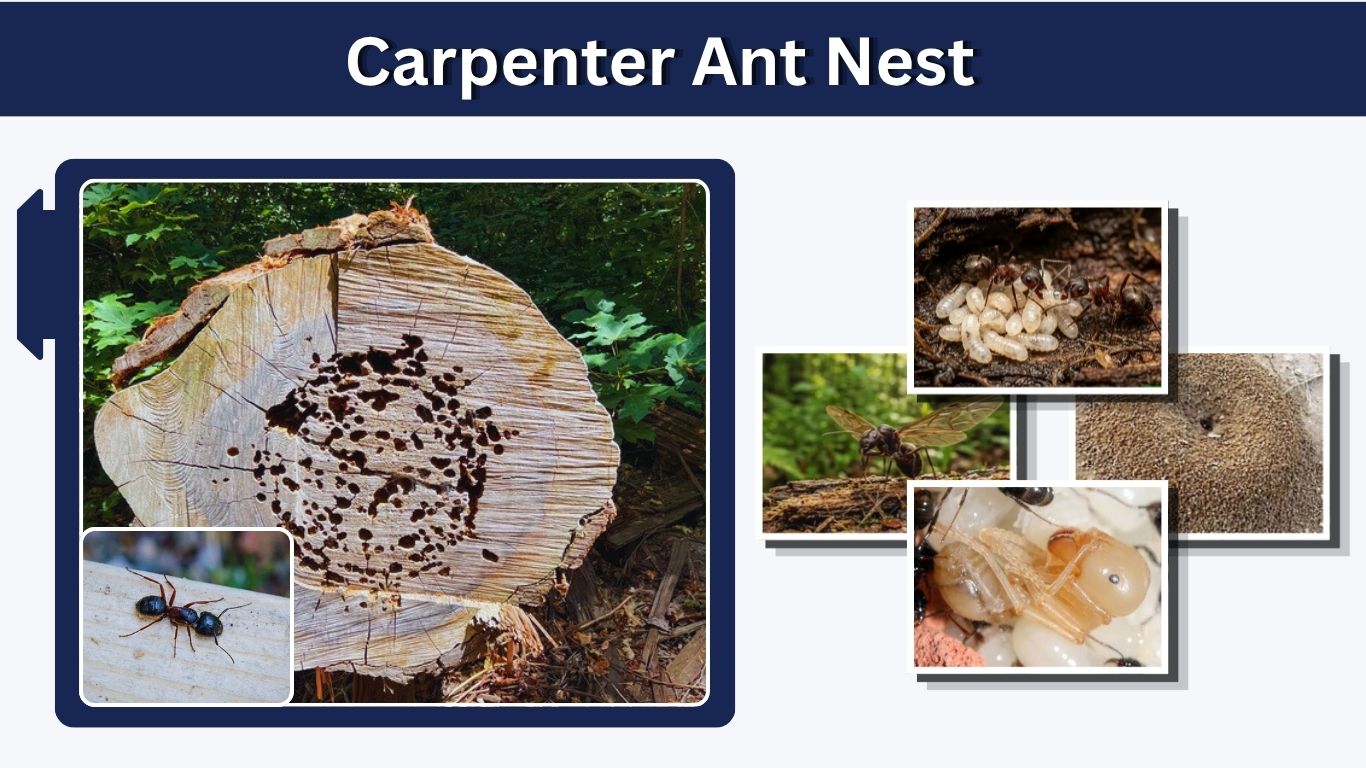
Carpenter Ant Nest: How to Find, Identify and Remove It
August 29, 2026
A carpenter ant nest can stay hidden for months or even years because most colonies develop inside wood, wall voids, trees, or other protected spaces.
Read more